3D Pumpkin Mandala: Layered Design Review
As a designer who spends more time behind an embroidery machine than a computer screen, I approach every new digital asset with a healthy dose of skepticism. When I first opened the zip file for the 3D Pumpkin Mandala - Layered Mandala, I wasn't just looking at pretty vectors; I was mentally simulating how those layers would translate into thread tension, stabilizer requirements, and final product viability. This isn't just another seasonal graphic. It is a complex interplay of shapes that demands respect from both the digitizer and the operator. For fellow Etsy sellers, boutique owners, and serious hobbyists, understanding the practical reality of this design is the difference between a failed test stitch and a best-selling holiday item.
First Impressions: Visual Weight and Seasonal Mood
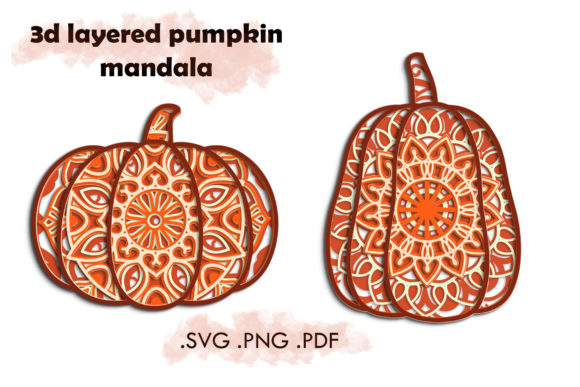
The immediate impact of this design lies in its dimensional promise. Unlike flat raster images, the SVG structure suggests depth through layering rather than shading. Visually, it strikes a balance between traditional autumn nostalgia and modern geometric precision. The mandala format provides a natural symmetry that is pleasing to the eye, while the pumpkin motif anchors it firmly in the fall and Halloween retail window. However, as a professional, my first thought wasn't "cute," it was "registration." A layered mandala relies entirely on precise alignment. If the layers shift by even a millimeter during stitching, the 3D effect collapses into a messy outline. The provided PNG preview (approximately 7 inches in height) gives us a reliable target size, but the true test is how these vector paths behave when converted into stitches.
Real-World Application: The Custom Tote Bag Test
To truly evaluate this asset, I mentally placed it onto a canvas tote bag project intended for a local craft fair. Tote bags are a staple for any craft business, but they present unique challenges due to fabric texture and weight. For this specific application, the 3D Pumpkin Mandala - Layered Mandala shines because of its bold silhouette. On a natural canvas background, the layered segments can be executed using different thread colors or varying stitch types to enhance the perceived depth without relying on heavy density.
I envision using a combination of satin stitch borders to define the mandala segments, with lighter fill stitch interiors to keep the bag lightweight and flexible. This is crucial. A dense, solid-fill pumpkin at 7 inches would make a tote bag stiff and unappealing to carry. By leveraging the layered nature of the design, we can create negative space that reduces stitch count while increasing visual interest. For Etsy sellers focusing on eco-friendly or boho aesthetics, this design allows for a sophisticated handmade product that feels artisanal rather than mass-produced. The PDF inclusion also offers value for hand crafters who might want to trace the design for fabric painting or quilting, expanding the potential customer base beyond just machine embroidery clients.
Navigating Fabric Limitations and Hoop Constraints
While the design is versatile, it is not universally forgiving. As someone who has ruined expensive garments by ignoring physics, I must emphasize where caution is required. The intricate internal details of a mandala can become problematic on highly textured fabrics like terry cloth or loose-knit sweaters. The fine lines separating the pumpkin layers may get lost in the pile, making the 3D effect invisible. For these surfaces, you would need to use a water-soluble topping or consider simplifying the design elements within your embroidery software before stitching.
Stretchy fabrics, such as jersey knits used for baby embroidery or lightweight tees, require aggressive stabilization. Because this is a multi-layer concept, the cumulative pull of the thread can distort the fabric if the stabilizer choice is inadequate. I recommend testing on scrap fabric identical to your final project before committing to a production run. Additionally, verify your hoop size immediately. While the PNG reference is 7 inches, ensure your specific machine’s hoop accommodates this dimension plus adequate margin for the presser foot. Trying to squeeze a complex mandala into a 4x4 hoop often results in excessive re-hooping and registration errors that destroy the illusion of depth.
Commercial Viability and Brand Perception
For small shop owners and apparel decorators, the value of a design extends beyond aesthetics—it impacts brand trust. Using a high-quality, well-structured asset like the 3D Pumpkin Mandala - Layered Mandala signals professionalism. Customers recognize clean lines and intentional layering. When selling custom apparel or personalized gifts, clarity equals value. A muddy, poorly registered design suggests cheapness, whereas crisp, distinct layers justify a premium price point.
This design also serves as excellent content for printable mockups and social media marketing. The transparent PNG file allows you to quickly visualize the design on various products without running a test stitch, streamlining your listing creation process. However, always confirm licensing terms regarding commercial use and digital redistribution. As creators, we must respect intellectual property while building our own sustainable businesses. Ensure you understand whether you can sell finished embroidered items versus the digital files themselves, as this distinction protects both you and the original artist.
Essential Designer Notes for Success
Before you load this file into your machine or list it in your shop, run through this practical checklist derived from years of production experience:
- Test Stitch First: Never assume a digital file is perfect for your specific machine-fabric-thread combination. Run a sample on scrap material to check tension and registration.
- Analyze Stitch Density: Open the SVG in your embroidery software to inspect the pathing. If converting manually, prioritize efficient jump sequences to minimize trims and reduce production time.
- Contrast Check: View the design in black and white. If the layers disappear without color, the contrast relies too heavily on hue rather than value. Adjust brightness or add texture stitches to ensure visibility on monochromatic fabrics.
- Stabilizer Strategy: Match your backing to the fabric weight. Use cut-away for stretchy knits and tear-away for stable wovens. Consider adhesive spray for slippery materials to prevent shifting between layers.
- Mockup Validation: Use the included PNG to create realistic previews for your online store, but clearly label them as digital representations. Transparency builds long-term buyer engagement.
- Detail Inspection: Zoom in on the smallest mandala segments. If they are thinner than 1mm, they may require adjustment to prevent needle breaks or fraying on certain fabrics.
Final Thoughts on Production Value
The 3D Pumpkin Mandala - Layered Mandala represents a strong addition to any seasonal catalog, provided it is treated with technical mindfulness. It bridges the gap between whimsical holiday decor and structured design art, making it suitable for everything from nursery blankets to boutique signage. Its success in your shop will depend less on the file itself and more on your execution. By respecting the nuances of stitch density, fabric interaction, and proper stabilization, you transform a simple digital download into a tangible, high-value asset. Whether you are creating a signature sweatshirt embroidery line or adding unique flair to kitchen textiles, let your craftsmanship elevate the design. Remember, in the world of machine embroidery, the most beautiful file is the one that stitches out flawlessly, wash after wash.