Asymmetric Flower Bow Template: A Maker's Review
When evaluating new design assets for a commercial embroidery business or a handmade shop, I look beyond the digital preview. As an experienced designer and product reviewer, my primary concern is always how a file translates from screen to physical reality. The Asymmetric Flower Bow Template immediately caught my attention not just as a cute graphic, but as a versatile structural element for mixed-media projects. While this product is categorized under Shapes and marketed as a 3D SVG for cutting machines, its potential in the embroidery studio is significant when approached with the right technical mindset.
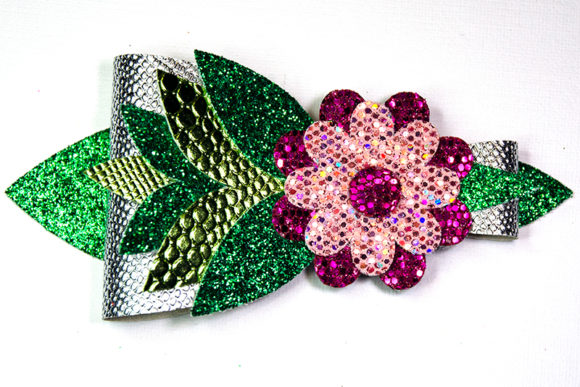
The first impression of this template is one of organic movement. Unlike rigid, symmetrical bow designs that can sometimes feel stiff or dated, the asymmetric layout offers a modern, handcrafted aesthetic. It feels whimsical yet intentional. For an Etsy seller or boutique owner, this visual personality is crucial. It suggests a custom, high-end touch rather than mass production. However, because this is originally designed for materials like faux leather, glitter vinyl, felt, and laminated fabric, using it as a guide for a machine embroidery design requires specific adaptations to ensure stitch clarity and durability.
Real-World Application: The Custom Tote Bag Test
To truly evaluate this template, I applied it to a real-life scenario: creating a personalized canvas tote bag for a client’s bridal party gift. Canvas is a textured, medium-weight fabric that demands respect; if a design is too dense, it puckers, but if it is too sparse, it gets lost in the weave. I used the Asymmetric Flower Bow Template as the foundational shape for a mixed-media appliqué project.
Rather than stitching out the entire bow in thread, which would result in excessive stitch density and a bulletproof patch on a soft bag, I utilized the template to cut floral-patterned cotton fabric using my cutting machine. I then used the embroidery machine to secure the fabric pieces. This is where the template shines as an applique design. The asymmetric curves provided natural anchor points for satin stitch borders. Because the shape is irregular, I had to pay close attention to the placement lines. In practice, the organic flow of the bow allowed me to position the design off-center on the tote, creating a dynamic composition that framed the bride’s monogram beautifully. The finished product looked professional, tactile, and distinctly handmade, validating the template's worth for commercial embroidery projects where perceived value drives sales.
Material Versatility and Technical Translation
The product description highlights compatibility with glitter EVA, paper, and felt. For embroidery designers, this material versatility is a goldmine, but it also dictates your digitizing strategy. If you are adapting this SVG into a digital embroidery file, you must consider the end material.
- Felt and Glitter Vinyl: These materials do not fray. If you are cutting the bow shape from these substrates to be stitched onto a garment, you can use a simple running stitch or a narrow zigzag to tack them down. The Asymmetric Flower Bow Template works exceptionally well here because the bold shapes hide any minor alignment shifts common with thick materials.
- Cotton and Linen: If using woven fabrics for a traditional appliqué, the template’s curves require a robust turn-under allowance. You cannot simply butt-joint the edges unless you are using a raw-edge appliqué method with heavy stabilizer.
- Paper and Laminated Fabric: These are best reserved for decorative accents on items like journal covers or non-washable decor. Stitching through laminate requires a leather needle and reduced speed to prevent perforation tears along the intricate curves of the flower petals.
For sweatshirt embroidery or baby clothes, I recommend testing the template size carefully. The "3D" aspect mentioned in the product type implies volume. When translating this to knit fabrics, ensure your stabilizer choice supports the weight of the layered bow without distorting the stretch of the garment. A cutaway stabilizer is non-negotiable for knits to maintain the integrity of the asymmetric shape after washing.
Navigating Challenges: Where Caution is Required
No design asset is without limitations. During my review, I identified specific areas where the Asymmetric Flower Bow Template demands careful handling. The most critical factor is scale relative to detail. The template features petal intersections that create internal angles. On small hoop sizes (4x4 or smaller), these angles can become muddy if you attempt a full satin stitch border. If you are working on baby embroidery or cap designs, simplify the inner details. Use a running stitch outline instead of satin columns to preserve definition.
Fabric texture also plays a massive role. On highly textured fabrics like terry cloth or minky, the delicate asymmetry of the flower bow can disappear. In these cases, you must increase the underlay stitching to create a smooth platform for the top stitches. Conversely, on thin or sheer fabrics, the multiple layers required to build a 3D effect might cause tearing. Always perform a sew-out test on scrap fabric that matches your final project's weight and weave.
Another consideration is color contrast. Because the shape is organic, low-contrast thread colors can make the bow look amorphous. When designing for holiday embroidery or seasonal merchandise, ensure your thread colors provide enough separation between the bow layers and the background fabric. I found that testing the design in a black-and-white mockup before stitching helped identify whether the visual hierarchy held up without relying solely on color differences.
Designer Notes for Professional Results
For fellow makers, craft business owners, and apparel decorators looking to integrate this template into their workflow, here are my practical takeaways based on hands-on testing:
- Verify Licensing: Before listing any finished product derived from this template on Etsy or your own site, confirm the license terms. Ensure you have commercial rights for both physical goods and digital modifications if you plan to sell the adapted embroidery files.
- Stabilizer Selection is Key: Do not rely on tear-away stabilizer for this design unless you are working with very stable, non-stretch fabric. The asymmetric nature of the bow creates uneven pull forces. Cutaway or wash-away stabilizers provide better registration for multi-layer projects.
- Mockup Realism: When creating printable mockups for your shop listings, avoid flat, digital-only renders. Photograph a physical sample or use high-quality 3D rendering software that accounts for thread sheen and fabric texture. Customers trust sellers who show how the Asymmetric Flower Bow Template actually sits on a curved surface like a cap or a gathered sleeve.
- Check File Compatibility: Since this is sold as a 3D SVG, verify that your embroidery software can import vector paths accurately. Some conversion processes can distort bezier curves. Always inspect the node count and path direction before generating your PES, DST, or JEF files.
- Test Wash Durability: If you are making custom apparel intended for frequent wear, wash your test sample three times. Check if the appliqué edges lift or if the satin stitch pulls away from the fabric base. Adjust your stitch width or add edge reinforcement if necessary.
Final Verdict on Value and Usability
The Asymmetric Flower Bow Template is more than just a pretty shape; it is a functional design asset that bridges the gap between digital crafting and textile art. Its strength lies in its adaptability. Whether you are producing personalized gifts, branding merchandise for a small shop, or expanding your digital product catalog, this template offers a sophisticated alternative to generic clipart.
However, success depends entirely on technical execution. It rewards the maker who takes the time to understand fabric behavior, stabilizer mechanics, and stitch economy. It penalizes the rush job. For those willing to test and refine, this template elevates the perceived professionalism of handmade products. It adds a layer of artistic intentionality that customers recognize and are willing to pay for. Just remember: treat it as a blueprint for construction, not just a picture to be filled. With the right approach, this asymmetric bow will become a staple in your creative arsenal, driving engagement and adding genuine value to your embroidery portfolio.