Gift Card Box Bow: A Designer’s Practical Review
As a designer who regularly bridges the gap between digital cutting files and needle-and-thread execution, I approach every new asset with a specific question: Will this actually translate into a high-quality finished product? When evaluating the Gift Card Box Bow, my perspective shifts from simple crafting to professional production. This isn't just about making a cute container; it is about creating a premium presentation piece that elevates the perceived value of a gift. For embroidery professionals and small business owners, this 3D SVG template offers a unique opportunity to merge structural design with surface embellishment, but it requires careful planning to ensure the final result looks intentional rather than improvised.
First Impressions and Structural Integrity
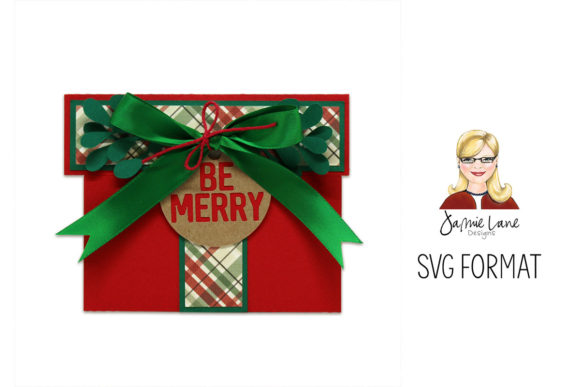
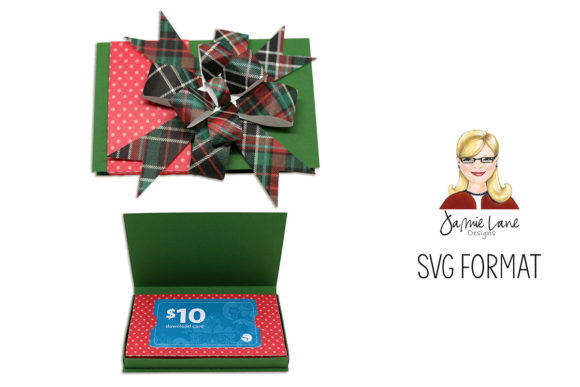
My initial assessment of the Gift Card Box Bow focuses on its dimensions and assembly logic. Measuring approximately 5 x 3-1/4 x 1-1/2 inches, this size is deceptively compact. In the world of machine embroidery design, these physical constraints dictate everything from hoop size selection to stabilizer choice. The inclusion of the wrap, inside gift card holder insert, and decorative element suggests a comprehensive system rather than a standalone shape. As a reviewer, I appreciate that the file accounts for the internal mechanics of holding a card securely. Too often, digital templates look beautiful flat but fail functionally when assembled. This design appears to prioritize utility alongside aesthetics, which is crucial for any handmade product intended for commercial sale or client gifting.
The visual personality of the bow element itself strikes a balance between festive and classic. It avoids overly intricate lines that might get lost in translation if you decide to add embroidered accents. For an Etsy seller or boutique owner, this clean aesthetic serves as a perfect canvas. It doesn't scream "homemade" in a messy way; instead, it provides a polished foundation that invites customization. Whether used for Christmas packaging or year-round retail branding, the silhouette is distinct enough to be recognizable in thumbnail photos yet simple enough to allow your brand identity to shine through added monograms or logos.
Real-World Application: Elevating Client Gifting
To truly test the viability of this design, I considered a recent scenario involving custom apparel orders for a local corporate client. We were fulfilling an order for embroidered sweatshirts, and the client wanted to include gift cards as a bonus incentive. Typically, these cards are handed over in generic paper sleeves, which diminishes the impact of the personalized gift. Using the Gift Card Box Bow as a template allowed us to create a cohesive unboxing experience.
In this real-life application, the box served as more than packaging; it became part of the merchandise. Because the dimensions are standardized, we could batch-produce the boxes efficiently. More importantly, the flat surfaces of the assembled box provided an ideal area for adding a subtle satin stitch logo or a running stitch border. This transformed a standard transactional item into a memorable touchpoint. For creative entrepreneurs, this demonstrates how a 3D SVG can extend the life of your embroidery project beyond the garment itself. The box becomes a keepsake, reinforcing brand consistency and increasing customer trust through thoughtful presentation.
Material Considerations and Embroidery Integration
While the Gift Card Box Bow is primarily a cutting template, its intersection with embroidery requires technical mindfulness. If you plan to embroider directly onto the material before assembly, or apply an embroidered patch to the finished box, fabric texture is paramount. Thick cardstock or heavy vinyl may not play well with dense fill stitches. I recommend testing your chosen substrate with scrap fabric first. If the material is too rigid, needle perforations could weaken the structural integrity of the fold lines. Conversely, if the material is too thin, the tension from even a light applique design could cause puckering that ruins the crisp edges of the box.
For those incorporating thread work, consider the stabilizer requirements carefully. Unlike a tote bag or pillow cover where you have ample space for hooping, working with pre-cut box components demands precision. You may need to use adhesive stabilizer or a sticky-back hooping method to secure small panels without distorting them. Always check whether the design works for both personal and commercial projects regarding licensing, especially if you are selling the finished boxed product. Furthermore, verify the compatibility of the file with your specific cutting machine and embroidery software before committing to a large production run. Assumptions about file formats can lead to costly material waste.
Strategic Placement and Visual Hierarchy
When integrating embroidery with this box template, less is often more. The Gift Card Box Bow has specific geometric zones that naturally draw the eye. The center of the bow or the front face of the box are prime real estate for branding. However, avoid placing detailed lettering or complex motifs near the fold lines or glue tabs. These areas experience stress during assembly, and stitching here can compromise the box's shape. I advise using black and white mockups to visualize contrast before threading your machine. A design that looks vibrant on screen might disappear against a dark red holiday background or clash with a metallic vinyl.
Consider the end user's interaction with the product. If this is a holiday embroidery project destined for a mantle or tree, durability matters. Ensure any added stitching is secure enough to withstand handling. For baby embroidery applications, such as a gift card box attached to a nursery decor item, safety is non-negotiable. Avoid loose threads or bulky knotting on the interior where little hands might explore. The versatility of this template allows it to cross categories, but the execution must always respect the specific context of the finished product.
Professional Notes for Makers and Sellers
Before listing this item in your shop or using it for client deliverables, run through a practical checklist. Confirm your hoop size accommodates the largest panel if you are embroidering pre-assembly. Inspect small details in the SVG file to ensure they align perfectly after cutting; digital tolerance issues can sometimes result in gaps that embroidery cannot hide. Test thread colors against your actual box material under natural lighting, as studio lights can be deceptive. If you are creating printable mockups for digital product previews, ensure the rendering accurately reflects the 3D nature of the assembled box so customers understand what they are buying.
- Test Substrates: Always stitch out a sample on the exact material intended for the box to gauge density and perforation risks.
- Check Licensing: Verify if the digital embroidery file and SVG template permit commercial sale of finished physical products.
- Mind the Folds: Keep stitch density low near score lines to prevent cracking or structural failure during assembly.
- Contrast Verification: Evaluate visibility on both light and dark backgrounds to ensure the design remains legible and attractive.
- Assembly Dry Run: Assemble one box without adhesive first to confirm fit before adding permanent embroidery or decoration.
Ultimately, the Gift Card Box Bow represents a smart investment for makers looking to professionalize their packaging. It solves a functional problem while offering a creative outlet for brand expression. By treating this template with the same rigor as a complex apparel design, you ensure that every box leaving your studio meets the standards your customers expect. Whether used for a single special gift or a seasonal product line, success lies in respecting the relationship between the digital cut and the physical stitch.