Pillow Box Templates: 3D SVG for Gift Boxes
Evaluating Structural Integrity for Boutique Packaging Projects
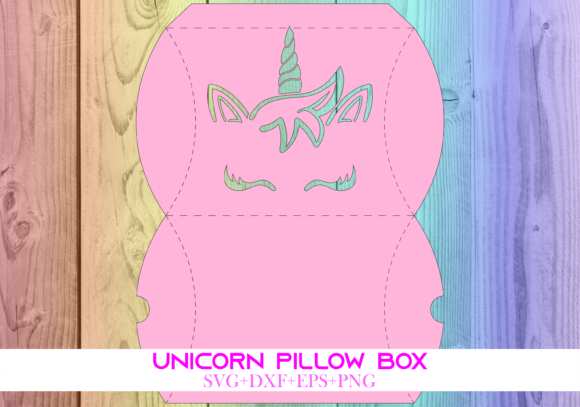
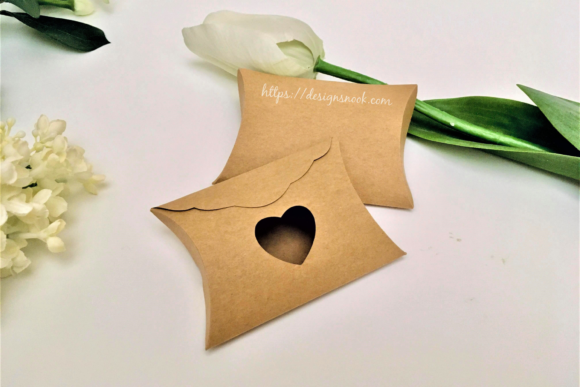
When assessing a new graphic design asset for a client’s upcoming seasonal launch, my primary concern is always functional reliability alongside aesthetic appeal. Recently, while developing a cohesive unboxing experience for a handmade jewelry brand, I tested these Pillow Box Templates to determine if they could bridge the gap between digital concept and physical reality. The first impression of this 3D SVG collection is one of clean, utilitarian precision. Unlike decorative vectors that prioritize ornamentation over structure, these templates immediately communicate professional packaging standards. The visual mood is versatile and neutral, making it an excellent foundation for small business branding where the packaging must complement, rather than compete with, the product inside.
For designers working in the creative marketplace, finding reliable structural files is often more challenging than finding surface patterns. This asset feels engineered for actual production. The lines are crisp, and the fold indicators are distinct from cut lines, which is a critical detail often missed in amateur digital products. When integrated into a brand identity project, these templates provide a tangible sense of quality. They suggest that the designer understands not just flat graphics, but spatial relationships and material constraints. For a boutique client, this level of polish in their gift boxes translates directly to perceived value and customer trust.
Performance Across Cricut Workflows and Brand Identity Systems
In a real-world studio environment, versatility is non-negotiable. I evaluated how these Pillow Box Templates perform across various applications relevant to modern commercial design. For Cricut projects and Silhouette cutting workflows, the included SVG and DXF cut files are optimized for machine recognition. During testing, the nodes were minimal and logical, preventing the jagged edges or hesitation marks that often plague complex SVG designs. This technical cleanliness is vital for print-on-demand sellers and crafters who cannot afford wasted vinyl or cardstock due to faulty vector paths.
Beyond physical fabrication, these templates serve as robust scaffolding for marketing visuals. When creating product mockups for an Etsy product listing or a Shopify store, having accurate dimensional files allows for realistic rendering. I found them particularly effective when designing coordinating social media graphics. By using the pillow box outline as a framing device in Instagram posts or Pinterest pins, we created a consistent visual thread between the digital ad and the physical package. This synergy strengthens visual hierarchy and reinforces brand recognition across touchpoints.
The asset also shows promise for editorial design and blog content. For clients who sell DIY kits or party favors, these templates can be adapted into printable instructional guides. As a printable design element, the clean geometry ensures legibility even when scaled down for standard home printers. However, it is important to note that while they excel in packaging and mockup contexts, they are less suitable as standalone logo design elements unless heavily modified. Their strength lies in their function as a container and a supporting brand element, not necessarily as a primary logomark.
Strategic Placement: Where These Templates Elevate Design
Understanding where to deploy a specific design bundle is as important as the asset itself. These Pillow Box Templates shine brightest in large layout areas and hero graphics where the structural elegance can be fully appreciated. They are ideal for:
- Packaging Design: Creating custom favor boxes for weddings, corporate events, or retail products where uniformity is key.
- Campaign Visuals: Serving as the central motif in holiday or seasonal promotional materials where gift-giving is the theme.
- Product Photography Props: Cutting physical prototypes to use as styling elements in flat lays and lifestyle shots.
- Digital Ads: Using the silhouette as a negative space mask for product photography in web banners.
- Sticker Design: Adapting the shape for die-cut labels that seal tissue paper or outer shipping mailers.
Conversely, there are scenarios where caution is required. In minimalist branding projects that rely on extreme whitespace, adding a structured box template can sometimes feel visually heavy if not balanced correctly. Similarly, in crowded layouts with complex backgrounds, the intricate fold lines may get lost, reducing readability. I would advise against using these in very small sizes, such as tiny icons or footer elements, as the mechanical details will blur. Furthermore, for highly corporate or industrial clients, the inherent "craft" association of pillow boxes might clash with a sterile tech aesthetic. Always consider the emotional resonance of the shape; it implies intimacy and gifting, which may not align with every modern design directive.
Technical Validation and Pre-Press Checklist for Professionals
Before committing any creative design asset to a paid client project, rigorous validation is mandatory. Based on my review of this file set, here are practical notes for fellow designers and makers:
- Verify File Compatibility: The description notes you receive a zip with SVG and DXF files specifically tried for cutting machines. Always open the SVG in your native design software (Illustrator, Affinity, Inkscape) before importing to Cricut Design Space to ensure layers are intact and grouped logically.
- Test Print and Cut Alignment: If you plan to print patterns onto the box before cutting, run a registration test. Ensure the bleed areas in the template account for your specific printer’s margin limitations.
- Contrast and Legibility Check: Preview the template in solid black against white, and vice versa. If you intend to add text directly to the box face, confirm that the fold lines do not intersect with critical copy areas.
- Typography Pairing: Test the template with various font styles. A serif font adds traditional elegance for luxury goods, while a bold sans-serif creates a contemporary retail look. Script fonts work well for weddings but ensure they do not cross fold lines where readability will be compromised.
- Licensing Confirmation: Crucially, review the commercial license terms. Confirm whether you can sell the physical boxes made from this template, or if the license restricts usage to personal projects only. For handmade businesses and digital sellers, this distinction defines legal compliance.
- Material Thickness Testing: Digital templates assume a standard paper weight. If using heavy cardstock or corrugated board for premium gift boxes, you may need to adjust score line depth or tab sizes manually to ensure proper assembly.
Final Verdict on Commercial Viability and Creative Utility
Ultimately, these Pillow Box Templates represent a high-value addition to a professional designer’s toolkit. They solve a specific logistical problem—structural packaging design—while offering enough flexibility to support broader brand identity and marketing visuals. The inclusion of tested SVG and DXF formats demonstrates an understanding of the end-user's workflow, reducing friction between download and creation.
For content creators, bloggers, and publishers focusing on DIY or lifestyle niches, this asset provides ready-made visual interest that elevates editorial layouts. For small business owners and Etsy sellers, it offers a cost-effective alternative to custom die-cutting services, enabling professional-grade packaging on a bootstrap budget. While it requires thoughtful application regarding scale and context, its technical execution and aesthetic neutrality make it a reliable choice for commercial work. When used strategically, this 3D SVG asset does more than just hold a product; it holds the brand promise, delivering a polished, tactile experience that resonates with customers long after the unboxing moment has passed.