Plush 3D SVG: Editorial Shapes for Modern Blogs
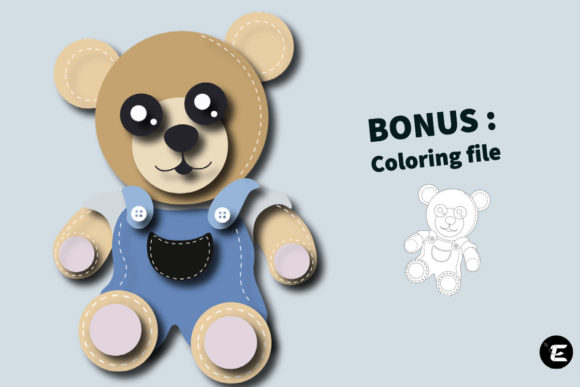
As a digital publisher who has designed hundreds of blog layouts and content assets, I approach every new graphic design asset with a critical eye toward utility and editorial cohesion. When evaluating Plush, my immediate assessment focuses on how this illustration translates from a standalone file to a functional component of a content marketing strategy. The asset presents a stylized teddy bear rendered with a soft, tactile aesthetic that bridges the gap between playful nostalgia and modern vector art. Unlike flat, two-dimensional clip art, the dimensional quality here adds necessary depth to website headers and social media graphics without overwhelming the text. This visual weight is crucial for establishing an emotional connection with readers in niches like parenting, lifestyle blogging, early childhood education, and creative entrepreneurship.
The mood Plush evokes is distinctly warm and approachable, yet clean enough for professional use. In editorial design, we often struggle to find imagery that feels human and comforting without appearing amateurish or overly juvenile. This asset succeeds because it treats the subject matter with sophisticated shading and balanced proportions. For a blogger preparing a seasonal campaign or a newsletter focused on comfort and wellness, this graphic serves as an excellent anchor. It signals to the reader that the content within is safe, curated, and visually polished. Whether you are building a brand identity for a small business or creating affiliate marketing visuals for children’s products, the aesthetic versatility of this piece allows it to integrate seamlessly into diverse publishing workflows.
Integrating Plush Into High-Converting Content Workflows
In my daily publishing workflow, versatility is non-negotiable. I need design assets that can scale across multiple platforms without requiring constant redesigns. Plush excels here due to its comprehensive file package. Receiving the files in .SVG, .PNG, .PDF, and .EPS formats means I can deploy this single illustration across an entire content ecosystem. The resizable nature of the vector files ensures that whether I am placing it as a subtle accent in a sidebar or blowing it up for a hero image, there is zero loss of quality. This technical flexibility is vital for maintaining crisp visuals on high-resolution retina displays while keeping file sizes manageable for web performance.
For Pinterest pin creation, this asset is particularly valuable. Vertical graphics require strong focal points to stop the scroll, and the three-dimensional styling of the bear provides that necessary pop against solid color backgrounds or textured overlays. I have found that pins featuring dimensional elements often outperform flat graphics because they mimic the tactile experience of physical products. Similarly, when designing lead magnets or digital guides, Plush works beautifully as cover art. It communicates value and care, which helps increase click-through rates on landing pages. For Canva template creators, this asset offers a plug-and-play element that elevates pre-made designs, making them feel custom and premium rather than generic.
Enhancing Visual Hierarchy and Reader Trust
Visual hierarchy is the silent guide that directs reader attention, and Plush supports this structural goal effectively. In blog graphics and article thumbnails, the distinct silhouette of the teddy bear creates an immediate point of interest that draws the eye before the headline is even read. This is essential for reducing bounce rates; if a visitor lands on a page that looks sparse or uninviting, they leave. By incorporating this graphic into category thumbnails or newsletter headers, publishers can create a consistent visual language that reinforces brand recognition. Over time, readers begin to associate this specific style with your content, building subconscious trust and loyalty.
Furthermore, the professional finish of this 3D SVG shapes collection aids in commercial credibility. For affiliate marketers promoting toys, nursery decor, or educational resources, using high-quality custom illustrations instead of low-res stock photos signals authority. It shows that you have invested in your platform’s presentation. When used in downloadable printables or worksheets for educators, the friendly yet polished aesthetic encourages engagement from both parents and teachers. It transforms a simple PDF resource into a desirable digital product that users are happy to share and save. This intersection of aesthetic appeal and functional utility is what separates successful content sites from hobbyist blogs.
Strategic Placement and Contextual Awareness
While Plush is a robust asset, strategic placement determines its success. It shines brightest in hero sections, featured images for lifestyle posts, and as decorative elements in email footers. These are spaces where emotional resonance drives engagement. However, publishers must exercise caution in certain contexts. Avoid using this asset in small mobile thumbnails where intricate details may blur into indistinct blobs. Similarly, be mindful when pairing it with text-heavy blog images; the dimensional shading requires breathing room to remain legible. In highly corporate or serious professional niches, such as financial consulting or legal advice, the inherent playfulness might clash with the required tone unless intentionally subverted for a specific campaign.
Contrast management is another critical consideration. Because the asset relies on soft gradients to achieve its plush effect, placing it on low-contrast backgrounds can diminish its impact. Always test the graphic against your site’s primary color palette. I recommend previewing it in black and white first to ensure the values hold up without color support. Additionally, consider typography pairings carefully. This illustration pairs exceptionally well with rounded sans-serif fonts and organic handwritten scripts, reinforcing the soft aesthetic. Conversely, placing it beside rigid, geometric display fonts can create a jarring disconnect unless that tension is a deliberate branding choice. Always review the commercial license terms before deploying Plush on monetized websites or paid digital products to ensure full compliance.
Publisher Checklist for Optimal Web Performance
Before publishing any content featuring this asset, run through a practical quality assurance checklist. First, verify the file size; even though vectors are lightweight, complex 3D SVGs can sometimes carry hidden metadata or excessive nodes that slow down rendering. Use optimization tools to strip unnecessary code. Second, test the graphic on actual mobile devices, not just browser resizing tools. Touch targets and visual balance often shift significantly on smaller screens. Third, check accessibility. Ensure that alt text accurately describes the image for screen readers, focusing on the function of the graphic within the article rather than just saying "teddy bear." Finally, confirm that the resolution remains sharp when exported as a PNG for social media sharing, as compression algorithms on platforms like Instagram and LinkedIn can degrade softer edges.
Ultimately, Plush represents more than just a cute illustration; it is a strategic tool for digital publishers seeking to add warmth and professionalism to their visual storytelling. By leveraging the multi-format delivery and scalable vector properties, creators can maintain brand consistency across blogs, newsletters, and digital products. The key lies in intentional application—using the asset to enhance readability, guide visual flow, and evoke the right emotional response from your target audience. When integrated thoughtfully into your editorial design system, this graphic asset becomes a reliable workhorse that supports both aesthetic goals and business metrics. For those navigating the competitive landscape of content marketing and small business branding, having such versatile, high-quality shapes in your library is an investment in long-term visual equity.