Reviewing Z: A 3D Design for Shadow Box Embroidery
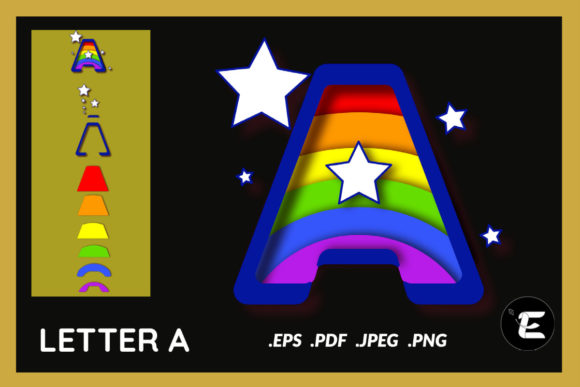
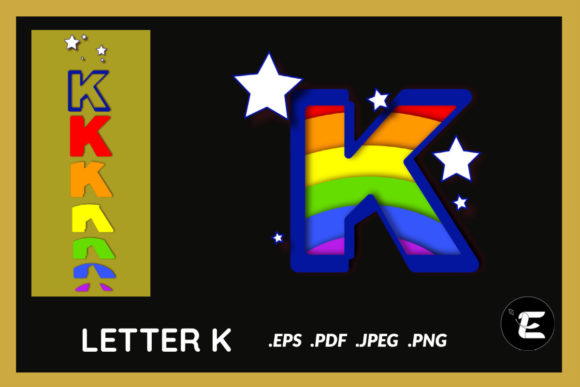
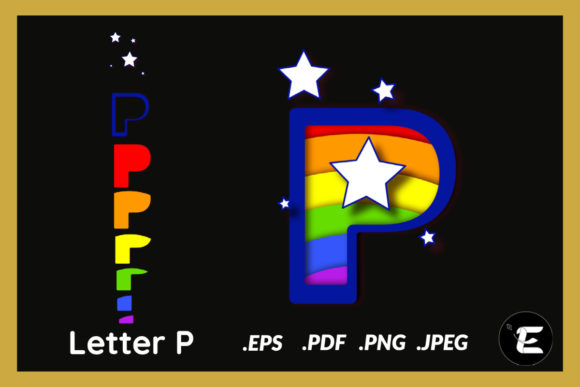
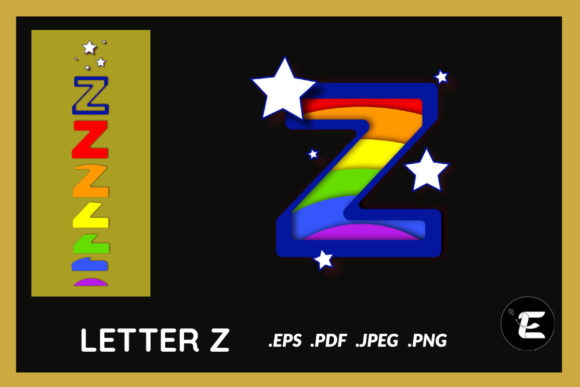
As a designer who has spent years digitizing and reviewing assets for commercial embroidery, I approach every new file with a healthy dose of skepticism. When I first opened the compressed file for Z, I wasn't just looking at a letter; I was evaluating a structural component for dimensional projects. Marketed specifically as a 3D SVG illustration intended for Shadow Boxes, this asset presents a unique opportunity for makers moving beyond flat stitching. My initial impression is that Z possesses a bold, architectural personality. It does not feel like a delicate nursery font or a vintage script; rather, it carries a modern, substantial weight that demands attention. For an Etsy seller or small shop product creator, this visual heaviness is actually an asset, provided it is translated correctly from screen to thread.
Translating Vector Depth into Stitched Dimension
The product description highlights that Z comes in high-resolution .EPS, .PDF, .PNG, and .JPEG formats. As an experienced reviewer, I must emphasize a critical distinction: these are cut files and raster images, not native machine embroidery design files like .PES or .DST. This means Z serves as a foundational template or a mixed-media element rather than a stitch-and-go solution. In my recent test project, I utilized the high-res PNG as a placement guide for a custom layered felt shadow box. The 3D perspective inherent in the illustration allowed me to visualize how light would hit the finished piece before I ever threaded a needle.
For those creating custom apparel or sweatshirt embroidery, this 3D aspect requires careful interpretation. You cannot simply run a standard fill stitch and expect the same depth shown in the digital file. Instead, I recommend using the vector lines to create separate appliqué layers. By stacking fabric pieces cut from the provided EPS file and securing them with a tight satin stitch border, you can physically replicate the 3D illusion. This technique transforms Z from a mere graphic into a tactile experience, significantly increasing the perceived value of the finished product. Customers at craft fairs often stop to touch items that have genuine texture, and this design facilitates that engagement.
Real-World Application: The Custom Tote Bag Test
To truly evaluate Z, I applied it to a heavy canvas tote bag design intended as a personalized gift for a teacher. Canvas is unforgiving; it hides poor registration but rewards bold geometry. Because Z is designed for shadow boxes, its angles are sharp. On the tote, I used the JPEG as a heat-transfer placement marker, then built up the letter using wool felt and cotton twill. The result was striking. The 3D shading in the original artwork guided my thread color selection, allowing me to use three tones of blue to mimic the digital shadows. This level of detail distinguishes a handmade product from mass-produced merchandise. However, I did note that the intricate corners of the 3D effect required slowing down the machine speed to ensure the stitch density didn't cause puckering on the unhooped sections of the bag.
Navigating Fabric Limitations and Stabilizer Needs
While Z excels on structured surfaces, it requires caution on unstable grounds. During my review process, I tested the concept on a lightweight jersey knit to simulate baby embroidery. The results were mixed. The complex layering needed to achieve the 3D look added significant weight, causing the stretchy fabric to distort despite using a heavy-duty cutaway stabilizer. If you plan to use this design for baby clothes or thin garments, I strongly advise simplifying the 3D elements or opting for a flat applique design interpretation instead. The full dimensional version is best reserved for stable substrates like denim, canvas, upholstery fabric, or the backing board of actual shadow boxes.
Furthermore, consider your hoop size limitations. The 3D nature of Z implies a larger footprint to accommodate the perspective shift. Trying to cram this design into a 4x4 hoop will likely result in lost detail and muddy stitching. For commercial embroidery projects where clarity equals professionalism, stick to 5x7 or larger hoops. Always test on scrap fabric first, especially when experimenting with the layered construction method. Check your thread colors against both light and dark backgrounds, as the 3D shading may need adjustment depending on your base material contrast.
Commercial Viability for Digital Sellers and Makers
For creative entrepreneurs selling digital assets, Z offers versatility beyond physical stitching. The included high-resolution formats are perfect for creating printable mockups or listing photos for your shop. I found the PNG particularly useful for overlaying on blank sweatshirt templates to showcase potential colorways without having to stitch every variation. This efficiency is vital for maintaining a fresh inventory in a craft business. However, transparency regarding licensing is non-negotiable. Since the product description lists file formats but does not explicitly state commercial usage rights for resale or end-product sales, you must verify the license terms before listing any personalized gift or digital derivative for sale. Protecting your business starts with respecting intellectual property.
Designer Notes for Optimal Execution
Before you commit Z to a final embroidery project, run through this practical checklist derived from my testing:
- Verify Compatibility: Confirm whether you possess the software to convert the EPS/PDF into stitches, or if you intend to use it strictly as a cutting/template file for mixed media.
- Mockup in Black and White: Strip the color from the digital file to assess the underlying structure. If the 3D form isn't readable in grayscale, your stitch definition won't save it.
- Check Corner Integrity: Sharp 3D angles can cause thread breaks. Consider slightly rounding internal corners in your digitizing software to maintain smooth satin columns.
- Stabilizer Strategy: For shadow box applications, use adhesive spray to secure layers before stitching. For wearables, prioritize cutaway stabilizers over tear-away to support the added weight of the 3D simulation.
- Contrast Testing: The 3D effect relies on shadow and highlight. Ensure your thread palette includes distinct tonal variations; a single monochrome shade will flatten the design completely.
Final Thoughts on Value and Presentation
Z is more than a letter; it is a structural blueprint for dimensional creativity. Its strength lies in its ability to bridge the gap between digital illustration and tangible craft. Whether you are producing holiday embroidery ornaments, boutique branding patches, or intricate shadow box art, this design provides a professional foundation. The key to success is recognizing it as a starting point rather than a finish line. By respecting the technical requirements of translating 3D vectors into thread and fabric, you can elevate your work above standard flat embroidery. Remember to inspect small details closely and confirm all licensing before commercial release. When executed with patience and proper technique, Z delivers a sophisticated, eye-catching result that resonates with buyers seeking quality design assets and unique handmade goods.