Small Tote Box: 3D SVG Shapes for Local Branding
Evaluating Whimsy and Function for Boutique Packaging
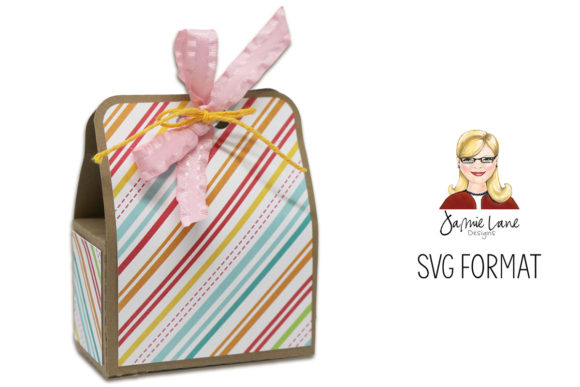
As a brand designer specializing in local business identity, my first interaction with the Small Tote Box asset was less about its technical specifications and more about the emotional resonance it carries. When reviewing Shapes for physical product applications, I look for silhouettes that communicate value before the customer even reads the label. This specific 3D SVG immediately suggests a mood of curated intimacy and handmade care. It does not feel industrial or mass-produced; rather, it evokes the warmth of a neighborhood bakery, the playfulness of a children’s boutique, or the artisanal touch of a small-batch confectioner.
The silhouette strikes a delicate balance between utility and decoration. In the context of small business branding, this is crucial. We are often trying to elevate simple products into memorable experiences. The tote shape implies a gift, suggesting that whatever is inside—whether it is premium chocolate, jewelry, or party favors—is being offered with intention. For a local business owner, this asset signals to the consumer that the brand pays attention to tactile details. It feels friendly yet structured, making it an excellent candidate for brands that want to appear professional without sacrificing approachability.
Translating Digital Assets into Physical Retail Experiences
In a recent consultation for a local chocolatier expanding their wedding favor line, we needed a packaging solution that felt substantial but remained cost-effective. This is where the Small Tote Box proves its worth as a versatile graphic design asset. Because it functions as an SVG cutting template, it bridges the gap between digital design and physical manufacturing. For food businesses and handmade sellers, this means the ability to prototype packaging design in-house using cardstock before committing to expensive custom die-cutting runs.
Beyond the box itself, the vector lines serve as a foundational element for broader brand identity systems. I have used similar structural assets to create consistent visual motifs across multiple touchpoints. For example, the outline of this tote can be repurposed as a frame for product labels, a unique border for thank-you cards, or a recurring icon in social media graphics. When designing for a tooth fairy kit or a candy shop, consistency builds trust. Seeing the same geometric language on a website banner, a price list, and the actual product packaging creates a cohesive narrative that strengthens customer recognition.
For marketers and creative entrepreneurs, this asset supports high-impact marketing visuals without requiring complex 3D rendering software. You can easily manipulate the layers to create flat lay mockups or exploded views for instructional content. This versatility is essential for commercial design projects where budget and turnaround time are tight. By utilizing a pre-made template that fits standard 8x12 and 12x12 mats, small business owners can maintain agility in their promotional campaigns while still achieving a polished, custom look.
Strategic Placement in Commercial Design Projects
Knowing where to deploy a decorative asset is just as important as the asset itself. Through testing various design assets in real-world scenarios, I have identified specific environments where the Small Tote Box excels. It performs exceptionally well as a hero graphic for seasonal campaigns, such as Valentine’s Day treats or holiday party favors. In these contexts, the shape acts as a visual anchor, drawing the eye and setting a festive tone. It is also highly effective for handmade business tags and hang tags, where the physical shape of the paper mirrors the digital design, reinforcing the artisanal quality of the product.
However, caution is required when integrating this asset into information-dense layouts. In editorial design or detailed ingredient lists, the ornate nature of a 3D-style tote can compete with necessary typography. I advise against using it as a background element behind legal text or nutritional facts, as the visual complexity reduces readability. Similarly, for luxury minimalist brands that rely on negative space and stark typography, this shape may feel too illustrative or juvenile. It is best reserved for brands where personality and charm are central to the value proposition.
When creating product mockups for client presentations, ensure the scale is accurate. A common pitfall in web design and social media advertising is displaying packaging at a size that misleads the consumer about capacity. Since this tote is designed for small items like rolled money or chocolates, your visual hierarchy must clearly communicate scale through photography or comparative graphics to manage customer expectations effectively.
Technical Validation and Professional Branding Standards
Before incorporating any digital product into a client’s professional branding suite, rigorous technical validation is non-negotiable. My review process for this Small Tote Box involved several critical checks to ensure it meets commercial standards. First, always verify the commercial license. Just because an asset is available on a creative marketplace does not automatically grant rights for resale or physical product manufacturing. Confirming licensing protects both the designer and the business owner from future legal complications.
Next, test the vector integrity. Open the file in Illustrator or compatible software to inspect node placement. Clean vectors are essential for smooth cutting on Cricut or Silhouette machines. Jagged edges or overlapping paths can ruin cardstock and waste materials. I also recommend testing the design in black and white before applying color. If the illustration relies entirely on color to define its form, it may fail in single-color printing scenarios, such as embossing or foil stamping. A robust SVG design should hold its structure through value contrast alone.
Typography pairing is another vital consideration. Test the asset beside various font styles to gauge compatibility. With this tote, a clean sans-serif font often provides a necessary modern counterpoint to the playful shape, preventing the design from looking dated. Conversely, a delicate script can enhance the feminine or romantic aesthetic for wedding-related products. Always preview these combinations at actual print size. What looks balanced on a 27-inch monitor may become illegible or cluttered on a 3-inch tag.
Finally, consider the output format requirements. While the source is an SVG, you may need high-resolution PNGs with transparency for Canva templates or web overlays. Ensure that exporting maintains crisp edges. For printable design inserts, verify that the bleed and safe zones align with your printer’s specifications. By treating this Small Tote Box not just as a cute graphic, but as a functional component of a larger brand identity system, local businesses can leverage it to create packaging and promotions that feel bespoke, trustworthy, and distinctly their own.
Ultimately, the success of this asset lies in its application. It is a tool for storytelling. Whether used to package a single truffle or to house a precious keepsake, the Small Tote Box offers a tangible way for small businesses to express their brand values through form and function. When executed with technical precision and strategic intent, it transforms a simple container into a powerful ambassador for the brand.