X: A Designer’s Review for 3D Shadow Box Projects
First Impressions: Translating Digital Depth to Thread
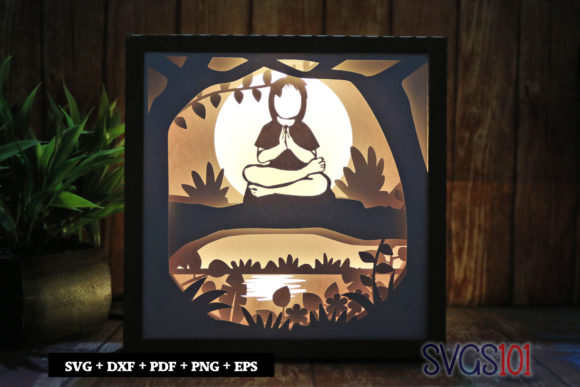
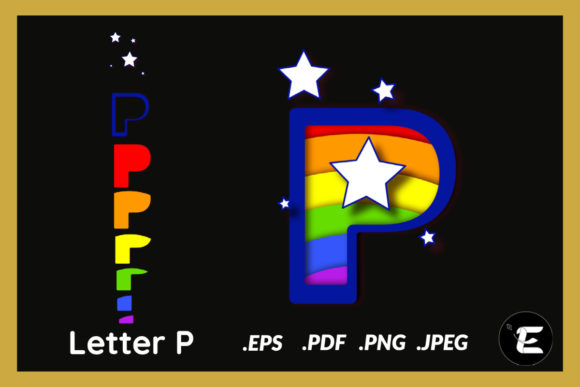
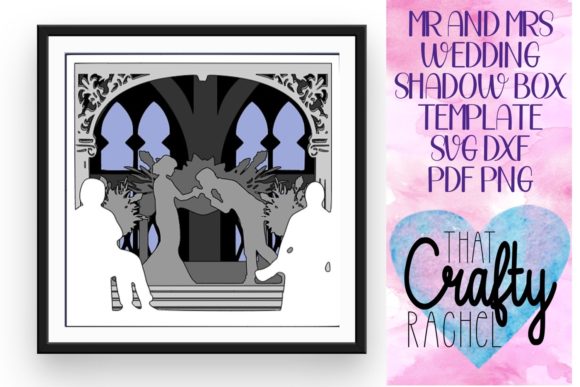
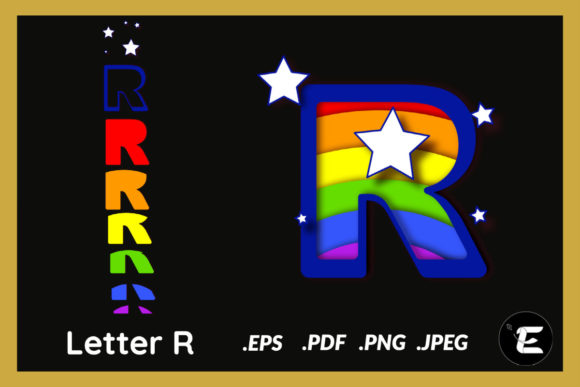
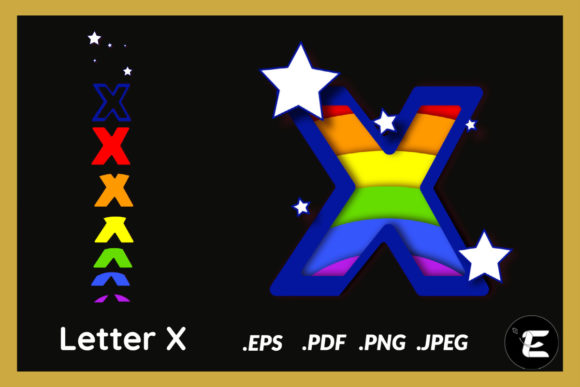
When I first opened the compressed file for X, my immediate focus was not just on the aesthetic appeal, but on the structural integrity of the illustration. As a designer who frequently bridges the gap between digital assets and tangible handmade products, I look for versatility. This product is marketed as a 3D SVG intended for Shadow Boxes, complete with high-resolution .EPS, .PDF, .PNG, and .JPEG cut files. However, for those of us in the embroidery project space, these vector lines represent something different: a roadmap for digitizing or a precise template for mixed-media application.
The visual personality of X strikes a balance between intricate detail and bold silhouettes, which is crucial when translating a flat digital image into a textured surface. The mood it creates is dimensional and layered, suggesting that it would perform exceptionally well in projects that rely on depth rather than just color saturation. For an Etsy seller or creative entrepreneur, this design offers a sophisticated foundation that avoids the generic clip-art look, instantly elevating the perceived value of your finished product.
Real-World Application: Custom Nursery Decor and Gifts
To truly evaluate X, I mentally placed it into a recent client commission: a personalized nursery shadow box combined with a matching embroidered blanket. In this scenario, the design serves a dual purpose. The provided cut files allow for precise vinyl or paper layering within the physical shadow box frame, while the high-resolution vectors serve as the perfect guide for creating a coordinating baby embroidery motif.
In this real-life case, the clarity of the lines in X is paramount. When adapting this for a sweatshirt embroidery or a delicate baby item, the 3D aspect of the original illustration informs how we should approach shading and texture in thread. Instead of relying solely on dense fill stitch areas to create depth, the design encourages the use of strategic layering. For example, using a lighter weight thread for background elements and a heavier satin stitch for foreground details can mimic the 3D effect of the digital file without adding excessive bulk to the garment.
For small shop product lines, this adaptability is a massive asset. You aren't just selling a single item; you are selling a cohesive collection. The ability to use the same source file for both the digital preview mockups and the actual production ensures brand consistency. Customers trust what they see, and when your printable mockup matches the tactile reality of the custom apparel or decor piece, return rates drop and positive reviews increase.
Navigating Fabric Limitations and Hoop Constraints
While X is visually stunning, practical experience dictates caution regarding where and how it is applied. Not every fabric can support the complexity implied by a 3D-style illustration. If you are planning to use this for tote bag design on unstructured canvas, the design will likely shine because the fabric provides a stable base. However, if you attempt this on stretchy jersey knits or thin voile without proper preparation, the intricate lines may distort.
I strongly advise testing X on scrap fabric before committing to a final commercial embroidery run. Pay close attention to the following variables:
- Stabilizer Selection: Because this design originates from a 3D concept, it likely contains multiple layers of visual information. On stretchy fabrics, a cut-away stabilizer is non-negotiable to prevent puckering around detailed corners.
- Hoop Size Verification: Before purchasing or digitizing, confirm that the dimensions of X fit within your machine’s maximum hoop size. Resizing complex illustrations can sometimes alter stitch density or break connecting lines, so checking the native dimensions against your equipment is vital.
- Fabric Texture Interaction: Highly textured fabrics like terry cloth or fleece can swallow fine details. If applying X to a kitchen towel or plush blanket, consider simplifying the inner details or using a topping stabilizer to ensure the design remains legible.
- Dark vs. Light Backgrounds: Test the design in black and white mockups first. Some 3D illusions rely on contrast that disappears when stitched in similar tonal values. Ensure your thread colors provide enough separation to maintain the dimensional illusion on both dark and light garments.
Enhancing Product Value Through Professional Execution
The difference between a hobbyist craft and a professional handmade product often lies in the finishing. When utilizing X for holiday embroidery or boutique merchandise, the presentation must reflect the quality of the digital asset. The high-resolution .PNG and .JPEG files included in the package are excellent for creating professional listing photos and social media content, but the physical execution requires equal rigor.
Visual appeal directly correlates to buyer engagement. When a customer sees a personalized gift featuring X, they are responding to the harmony between the design's intended 3D form and the artisan's stitching technique. If the stitch density is too high, the fabric becomes stiff and unappealing; if it is too low, the design looks sparse and cheap. Finding that sweet spot requires reviewing the vector nodes in the .EPS or .PDF files to understand where the design places its visual weight.
Furthermore, for those selling design assets or finished goods, professionalism extends to licensing and compatibility. Always verify the specific license terms included in the compressed file before listing items for sale. While the formats provided (.EPS, .PDF, .PNG, .JPEG) are industry standards for cutting and printing, remember that they are not native embroidery formats (like .PES or .DST). You will need to either digitize the design yourself using the vectors as a template or hire a professional digitizer to convert X into a viable machine embroidery design. Skipping this step or using auto-digitizing software without manual cleanup can result in poor stitchouts that damage your reputation as a craft business.
Designer Notes for Optimal Results
Based on my evaluation of X as a foundational element for creative projects, here are my final technical recommendations for makers and sellers:
- Mockup Testing: Use the included high-res JPEGs to create realistic digital previews. This allows you to gauge market interest in X before investing time in sampling physical embroidered patches or apparel.
- Contrast Checks: When selecting thread, avoid matching the thread color exactly to the fabric color unless intentional. The 3D nature of X relies on light and shadow simulation; slight tonal variations enhance the depth perception in the final stitchout.
- Detail Inspection: Zoom in on the .PDF or .EPS file to identify any lines thinner than 1mm. These may need to be converted to running stitches or removed entirely during digitization to prevent needle breaks or thread bunching.
- Washability Consideration: If using X for items requiring frequent washing like baby clothes or tea towels, ensure all satin stitch columns are properly underlaid. The dimensional look should never compromise the durability of the finished product.
- Commercial Viability: Confirm whether the license permits the sale of physical products versus digital files. As an Etsy seller, protecting your shop from IP disputes is as important as the quality of your applique design or stitching.
Ultimately, X represents a versatile asset for the modern maker. Whether you are building layered Shadow Boxes or translating its aesthetics into high-end textile art, success lies in respecting the relationship between the digital source and the physical medium. By approaching this design with technical mindfulness and creative intention, you can transform a set of cut files into a signature offering that resonates with customers and stands the test of real-world use.