Cone Treat Box with Clover Holes: A Designer’s Review
As a designer who constantly bridges the gap between digital assets and tangible, handmade products, I approach every new file with a healthy dose of skepticism. When I first opened the Cone Treat Box with Clover Holes, I wasn't just looking at a cute vector; I was mentally stitching it out. This 3D SVG template promises a functional packaging solution for candies and small gifts, but for those of us in the embroidery and maker community, the real question is always about translation. How does this digital shape perform when we adapt it for physical merchandise? After reviewing the geometry and considering its application in a busy craft business, I see this design as a versatile asset that requires specific handling to shine in both paper crafting and textile applications.
First Impressions: Whimsy Meets Structural Integrity
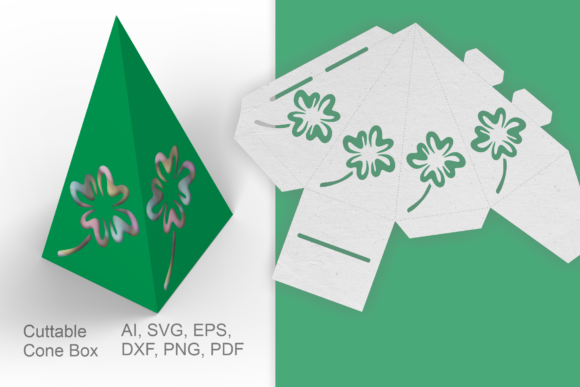
The immediate mood of the Cone Treat Box with Clover Holes is nostalgic yet clean. The clover-shaped cutouts are not merely decorative; they serve as focal points that break up the solid surface area of the cone. From a design perspective, this negative space is crucial. In the world of machine embroidery design, solid shapes can sometimes look heavy or cause fabric distortion due to excessive stitch density. The clover holes naturally alleviate this issue by reducing the overall coverage area while adding visual interest.
The "rugby ball" or pillow box silhouette mentioned in the product description suggests a curved, organic form rather than a rigid geometric box. This softness makes the template feel approachable and friendly, perfect for baby embroidery projects, wedding favors, or boutique branding. However, as an experienced reviewer, I note that this curvature presents a unique challenge for apparel decorators. Unlike a standard square patch or rectangular tote bag design, this shape demands careful placement to ensure it doesn't look warped once applied to a garment or accessory.
Real-World Application: Stitching Out the Concept
To truly evaluate this asset, I envisioned a specific scenario relevant to many Etsy sellers and small shop owners: creating a line of personalized holiday gift tags and matching embroidered sweatshirts. The goal was brand consistency across physical products and packaging.
In this context, the Cone Treat Box with Clover Holes serves a dual purpose. First, as a cuttable 3D SVG, it functions exactly as intended for the physical packaging of small treats. But secondly, and perhaps more importantly for our community, it translates beautifully into an applique design for custom apparel. I pictured this shape rendered in cream felt on a sage green sweatshirt, with the clover holes revealing the base fabric underneath. This layered approach adds texture and depth that a simple fill stitch cannot achieve.
For a tote bag design, this shape works exceptionally well as a pocket outline or a decorative accent near the bottom hem. The vertical orientation of the cone draws the eye downward, which can be flattering on bags and aprons. If you are running a craft business focused on nursery decor, adapting this cone shape into a hanging ornament or a mobile element is a natural fit. The clover motif keeps it gender-neutral and seasonally flexible, moving easily from St. Patrick’s Day to general spring themes without feeling dated.
Navigating Technical Challenges in Embroidery
While the aesthetic is strong, practical execution requires caution. As a 3D SVG template originally designed for cutting machines, the lines are mathematically perfect, but embroidery machines deal with thread tension and fabric grain. Here is where you must exercise professional judgment.
Fabric Texture and Stability: The intricate curves of the clover holes are unforgiving on stretchy fabrics. If you are attempting sweatshirt embroidery or working with jersey knits, you cannot rely on tear-away stabilizer alone. A cut-away stabilizer is mandatory to prevent the clover edges from puckering during the satin stitch phase. On textured fabrics like terry cloth or fleece, the fine details of the clover may get lost. In these cases, I recommend testing a slightly thicker border or using a topping to keep the stitches visible.
Hoop Size and Detail Clarity: Be wary of scaling this design down too far for small hoop sizes. The connection points between the clover leaves and the outer cone edge are potential weak spots. If reduced below a certain threshold, the satin stitch columns may become too narrow to anchor properly, leading to thread breaks or fraying. Always verify the minimum safe size for your specific machine embroidery design software before committing to a production run.
Curved Surfaces: Applying this rugby-ball shape to caps or curved surfaces requires digitizing adjustments. A flat 3D SVG does not account for the distortion that occurs when wrapping around a hat brim. You may need to manually adjust the underlay or use a cap-specific frame to maintain the integrity of the cone’s symmetry.
Impact on Product Value and Customer Perception
Why does this level of scrutiny matter? Because in the commercial embroidery and handmade market, finish quality equals trust. A jagged clover edge or a puckered cone shape signals mass-produced carelessness, whereas crisp, clean lines communicate artisanal quality.
When used correctly, the Cone Treat Box with Clover Holes elevates the perceived value of a finished product. For digital product sellers offering printable mockups, this shape provides a distinct alternative to generic circles and squares, helping listings stand out in search results. For those selling physical goods, the cohesive use of this shape across packaging (the actual box) and merchandise (embroidered patches or apparel) creates a professional brand identity that encourages repeat buyers. It transforms a simple treat box template into a comprehensive design system.
Essential Notes for Makers and Designers
Before you load this embroidery file or fire up your cutter, please heed these practical recommendations derived from years of production experience:
- Test on Scrap Fabric First: Never run this design directly on a final product without a test stitch-out. Check how the clover corners turn and if the cone tip registers correctly.
- Verify Licensing: While this is a versatile asset, always confirm the specific license terms included with the Cuttable Cone Box with Clover Shape Holes. Ensure you have the rights to sell finished embroidered products or use the shape in commercial digital assets.
- Check Thread Color Contrast: The clover holes rely on contrast to be visible. Test your thread colors against both light and dark fabric backgrounds. A white cone on a white shirt will fail visually; consider tonal variation or outline emphasis.
- Review Stitch Density: Since this originates as a 3D SVG, auto-digitized versions can sometimes be overly dense. Inspect the stitch count and adjust pull compensation to accommodate the specific weight of your chosen fabric.
- Mockup Validation: Create black and white mockups to assess the balance of positive and negative space. If the clover holes disappear in grayscale, they may be too small for effective embroidery.
- Stabilizer Selection: Match your stabilizer to the end-use. Washable items like tea towels and baby clothes require durable stabilization that withstands laundering without distorting the cone shape.
The Cone Treat Box with Clover Holes is more than just a seasonal novelty; it is a study in balancing organic form with structural function. Whether you are cutting it from cardstock for a wedding favor or stitching it onto a custom apron for your shop, success lies in respecting the technical limitations of your medium. By approaching this design with a critical, maker-focused mindset, you can transform a simple digital template into a signature element of your creative portfolio. Remember to check all technical specifications provided with your download, as file formats and compatibility vary, and let your craftsmanship define the final result.