3D Puckered Bows: A Designer’s Practical Review
As a designer who constantly bridges the gap between digital files and tangible, stitched goods, I approach every new asset with a healthy dose of skepticism. When I first opened the 3D Puckered Bows file, my immediate thought was not about how pretty it looked on screen, but how it would translate when needle meets fabric. This product is technically categorized as a 3D SVG cutting template intended for paper crafts, cards, and boxes. However, for those of us in the embroidery and mixed-media space, these shapes represent something far more valuable: a structural blueprint for texture.
In this review, I am evaluating this design specifically through the lens of an embroidery professional and small business owner. We aren't just making paper bows today; we are analyzing whether this geometric foundation can serve as a reliable guide for creating dimensional textile art, custom apparel accents, and high-value handmade products that actually sell.
First Impressions: Structure Over Sentiment
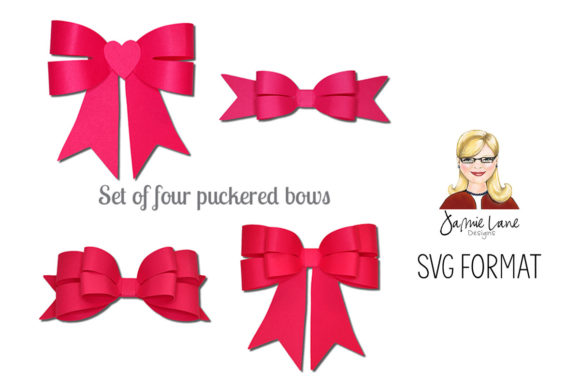
The visual personality of 3D Puckered Bows is distinct. Unlike standard flat vector art, this design communicates volume. The lines are deliberate, suggesting folds, gathers, and shadows rather than mere outlines. For an embroidery designer, this is crucial. A flat bow is simply a shape filled with satin stitch or fill stitch. A puckered bow, however, demands a conversation with the fabric.
The mood here is nostalgic yet refined. It avoids the overly cutesy aesthetic that often plagues bow designs, leaning instead toward a boutique, artisanal feel. This makes it incredibly versatile for commercial embroidery projects where you need to appeal to adult buyers or create sophisticated nursery decor rather than just generic baby items. The geometry suggests that if used as a template for fabric manipulation or applique design, the result will have genuine architectural integrity.
Real-World Application: The Custom Sweatshirt Test
To truly judge this asset, I mentally placed it into a current client project: a line of premium embroidered sweatshirts for a local bridal boutique. The client wanted a "something blue" element that wasn't a traditional printed transfer. They wanted texture.
Using 3D Puckered Bows as a placement guide and structural reference, I envisioned a mixed-media approach. Because this is an SVG cutting file compatible with 8x12 and 12x12 mats, it offers excellent scalability. For the sweatshirt project, I could scale the bow down to a 4-inch accent for the cuff or up to a 6-inch centerpiece for the chest. The true value emerged when considering how to replicate that "puckered" look in thread.
Rather than a dense fill stitch that might distort the fleece, this design encourages a lighter touch. I would use the SVG lines to create a running stitch guide for gathering actual fabric strips, securing them with strategic tacking stitches. Alternatively, for a purely machine embroidery design approach, the fold lines in this SVG serve as perfect markers for varying stitch density. You can program tighter satin stitches in the "valleys" of the bow and lighter fill stitches on the "peaks," mimicking the 3D effect digitally. This level of intentionality transforms a basic garment into a high-end personalized gift that justifies a higher price point.
Navigating Fabric Limitations and Hoop Sizes
While the versatility of this 3D SVG is impressive, practical application requires caution. Not every fabric wants to be puckered. When adapting this shape for embroidery, you must respect the material's limitations.
- Stretchy Fabrics: On knits like jersey or ribbed cotton, the tension required to create a 3D effect can cause tunneling. If using this design to guide fabric manipulation, always use a heavy-duty cut-away stabilizer. The puckering effect should come from the gathering of the top layer, not the distortion of the base garment.
- Textured Surfaces: Avoid using intricate puckered details on terry cloth towels or thick minky. The texture of the fabric will swallow the subtle fold lines defined in the 3D Puckered Bows template. These designs sing on smooth surfaces like quilting cotton, linen, poplin, or denim.
- Hoop Size Awareness: While the source file supports large cutting mats, remember that embroidery hoops are different. If you are scaling this up for a tote bag design or pillow cover, ensure your hoop can accommodate the full span without re-hooping. Re-hooping mid-design for a 3D element is a recipe for misalignment.
- Dark Fabrics: Dimension relies on shadow. On black or navy fabric, the puckered effect may disappear unless you use high-contrast thread colors or metallic threads to catch the light. Always test on a scrap of the exact dark fabric before committing to a final product.
Elevating Product Value and Brand Consistency
For Etsy sellers and craft business owners, consistency is currency. Using a structured asset like 3D Puckered Bows helps maintain brand cohesion across different product lines. Whether you are applying this to a wedding garter, a baby bib, or a holiday ornament, the underlying geometry remains consistent, making your shop look curated rather than chaotic.
Furthermore, this design enhances perceived value. Customers can distinguish between a flat, automated stitch-out and a design that incorporates genuine dimension. When listing finished products, use this distinction in your marketing. Describe the "sculptural quality" or "textile architecture" derived from this specific design style. In printable mockups and digital product previews, the 3D nature of the bow allows for more dynamic lighting and shadow play, resulting in listing photos that stop the scroll.
Critical Notes for the Embroidery Professional
Before you load this file into your workflow, please heed these practical warnings based on professional experience:
- Verify Licensing: This product description identifies it as a digital cutting file. It does not explicitly state commercial embroidery licensing terms. Before selling any finished product or digitized embroidery file derived from this SVG, you must confirm the license allows for derivative commercial use. Do not assume.
- Digitizing is Required: Remember, this is an SVG cutting template, not a PES, DST, or JEF embroidery file. You cannot stitch this directly. You must import it into digitizing software to assign stitch types, densities, and trims. Treat it as a high-quality pattern, not a ready-to-stitch solution.
- Test Stitch Density: When converting these vector lines to stitches, start with lower density settings. Puckering in embroidery is often a result of too much tension. Since the design is *meant* to look puckered, you have creative freedom, but too much density will still warp your hoop. Test on scrap fabric first.
- Scale Responsibly: Just because the SVG can be sized to fit a 12x12 mat doesn't mean the details will hold up at every size in thread. If scaling down for a baby embroidery project or cap, simplify the internal fold lines. Tiny, complex puckers can turn into thread nests at small scales.
- Mockup in Black and White: Before choosing thread colors, view your digitized version in grayscale. This ensures the 3D effect reads through value contrast alone, guaranteeing the design works regardless of the color palette you eventually choose.
Final Verdict for Makers
3D Puckered Bows is a robust foundational asset for the thoughtful creator. It bridges the gap between paper crafting precision and textile artistry. For the embroiderer willing to do the work of digitizing and testing, it offers a pathway to creating sophisticated, dimensional goods that stand out in a saturated market. Whether you are embellishing a custom apron, designing a signature patch, or creating luxury holiday gifts, this shape provides the structural confidence needed to execute complex textures. Approach it as a blueprint for innovation, respect the fabric physics, and always verify your commercial rights, and this design will serve your business beautifully.