Sugar Bowl: A Designer’s Review for Embroidery
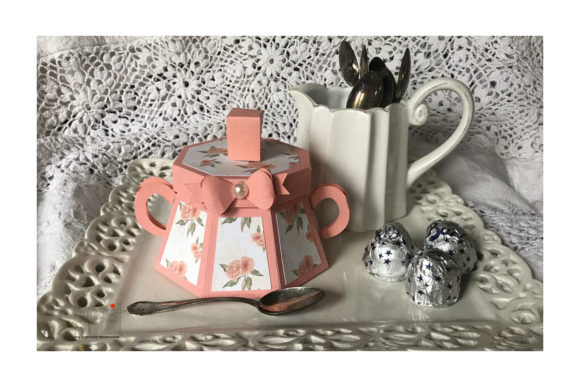
When I first opened the Sugar Bowl file, I was immediately struck by its potential as a versatile centerpiece for kitchen and home decor projects. As a designer who regularly evaluates assets for both personal crafting and commercial production, my initial assessment goes beyond simple aesthetics. I look for structural integrity, stitch logic, and marketability. This design falls under the Shapes category and is provided as a 3D SVG, which suggests a layered or dimensional quality that translates beautifully into embroidery when interpreted correctly. The included formats—SVG, DXF, PDF, and specific Cricut-compatible files with photo tutorials—indicate that this asset is intended for makers who value clear guidance. However, translating a vector shape into a successful machine embroidery design requires a critical eye. Here is my practical evaluation of how Sugar Bowl performs in real-world applications.
First Impressions and Design Personality
The visual mood of Sugar Bowl is undeniably nostalgic yet clean. It evokes feelings of warmth, hospitality, and vintage charm without feeling dated. For an Etsy seller or boutique owner, this is crucial. Customers are often drawn to items that feel handmade and thoughtful rather than mass-produced. The shape itself offers a balanced silhouette that works well as a standalone motif or as part of a larger composition. Unlike overly complex illustrations that can become muddy when stitched, this design relies on strong outlines and defined negative space. This clarity is essential for maintaining visual appeal across different fabric textures. Whether you are planning a personalized gift for a wedding or stocking your shop with holiday merchandise, the design’s inherent friendliness makes it an easy sell.
Real-World Application: The Tea Towel Test
To truly evaluate this asset, I mentally placed it in a specific production scenario: creating a set of premium flour sack tea towels for a client’s housewarming gift line. Tea towels are a staple embroidery project, but they present unique challenges due to their loose weave and frequent washing. In this context, Sugar Bowl shines because of its adaptable geometry. I envision using a combination of satin stitch for the rim and handle to create a smooth, reflective border, paired with a lighter fill stitch for the body to prevent fabric distortion.
For a custom apparel application, such as a sweatshirt or apron, the design holds up equally well. I recently worked on a bakery uniform project where similar shapes were used as pocket logos. The key here is scale. Sugar Bowl has enough visual weight to be legible from a distance on a busy apron, yet it retains enough detail to look精致 up close on a baby bib. If you are running a craft business, this versatility means one digital embroidery file can serve multiple product lines, maximizing your return on investment. Just remember to check the specific notes in the SVG_Cricut folder if you are adapting the vector layers for cutting machines before converting to stitch files, as layer management is vital for clean results.
Navigating Fabric Constraints and Stabilization
No matter how beautiful a design is on screen, its success depends entirely on execution. When working with Sugar Bowl, you must consider your substrate carefully. I have found that designs with curved elements like this bowl require extra attention when stitching on stretchy fabrics like jersey knits or performance wear. Without adequate stabilizer, the curves can pull and pucker, ruining the professional finish. For these materials, I recommend a cut-away stabilizer and perhaps a light topping to keep the stitches crisp.
Be cautious when using this design on highly textured fabrics like terry cloth or fleece. The intricate details of the 3D SVG interpretation might get lost in the pile. In such cases, simplifying the stitch density or adding a knockdown stitch underneath is non-negotiable. Additionally, if you are targeting the baby embroidery market, ensure the back of the design is soft against sensitive skin. Dense satin stitches can create a stiff, scratchy backing; testing on scrap fabric first allows you to adjust tension and density before committing to a finished product. Always verify your hoop size compatibility before purchasing, as resizing complex shapes can sometimes alter stitch angles unexpectedly.
Commercial Viability and Brand Consistency
For those selling design assets or finished goods, consistency builds trust. Sugar Bowl offers a distinct style that can anchor a collection. When creating printable mockups for your listings, this shape photographs exceptionally well because of its recognizable form. Buyers can instantly understand what the product is, which reduces friction in the sales process. However, professionalism extends beyond the digital preview. You must ensure that your physical samples match the quality promised online.
If you are using this for commercial embroidery, pay close attention to thread color contrast. A white sugar bowl on cream fabric looks elegant but may lack visibility in small thumbnail images. Testing high-contrast versions ensures your listing stands out in search results. Furthermore, always confirm licensing terms. While the file includes formats for various machines, understanding whether you can sell the digitized version versus the physical item is critical for protecting your business. This due diligence separates hobbyists from sustainable small shop product creators.
Essential Technical Notes for Makers
Before you load Sugar Bowl into your machine, run through this practical checklist derived from years of production experience:
- Test Stitch First: Never skip this step. Run the design on the exact fabric and stabilizer combination you intend to use for the final piece.
- Review the Tutorial: The included photo tutorial and notes in the SVG_Cricut folder are there for a reason. They likely contain specific layering or assembly instructions crucial for achieving the intended 3D effect.
- Check Registration Marks: If this is an applique design or involves multiple hoopings, verify that alignment marks are present and accurate.
- Evaluate Small Details: Inspect any tiny lettering or decorative accents. If they are too small for standard thread, simplify them to running stitches or remove them to maintain clarity.
- Mockup Variations: Create black and white test prints to see how the design reads without color reliance. This helps identify value issues before stitching.
- Wash Testing: For items like tote bags or kitchen linens, wash and dry a sample to ensure the design doesn't shrink or distort differently than the base fabric.
Final Thoughts on Production Value
Sugar Bowl is more than just a cute graphic; it is a functional design asset with significant potential for makers who approach it with technical mindfulness. Its strength lies in its balance of charm and structural simplicity, making it suitable for everything from delicate holiday embroidery to robust daily-use items. By respecting the relationship between the digital file and the physical medium, you elevate your work from basic crafting to professional design. Whether you are an experienced digitizer adapting the SVG or a crafter following the provided tutorial, the end result should be a product that feels intentional, durable, and genuinely delightful to own. Take the time to understand the nuances of this shape, and it will undoubtedly become a reliable favorite in your creative repertoire.