Frankenstein Halloween Paper Lantern: A Designer’s Review
As a professional embroidery digitizer and product reviewer, I approach every new design asset with a critical eye toward production viability. When evaluating the Frankenstein Halloween Paper Lantern, my primary focus is not just on its aesthetic charm as a digital template, but on how effectively it translates into a tangible, high-quality embroidered good. While this product is categorized under Shapes and marketed as a 3D SVG for paper crafting, experienced makers know that these geometric templates often serve as exceptional foundations for machine embroidery design. The clean lines and structured panels of a lantern template offer unique opportunities for applique work and dimensional stitching that standard clip art simply cannot provide.
Translating Digital Geometry to Stitched Reality
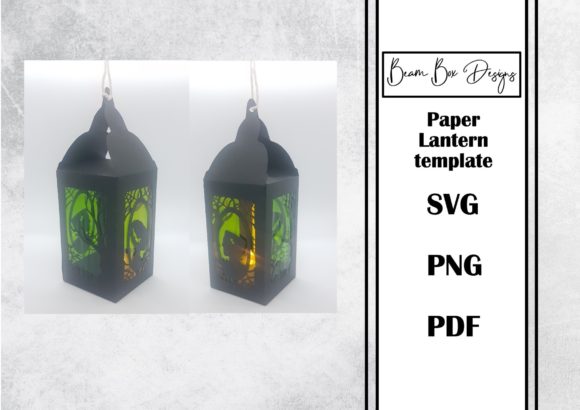
My first impression of the Frankenstein Halloween Paper Lantern was one of structural clarity. Unlike complex illustrative files that can become muddy when converted to stitches, this template relies on bold, deliberate shapes. For an embroidery designer, this is gold. The distinct segments of the lantern face map perfectly to satin stitch borders and fill stitch interiors. The visual personality here strikes a balance between spooky and whimsical, making it versatile enough for both children’s apparel and adult holiday decor. Because the file includes SVG, PDF, and PNG formats, I can easily import the vector paths into my digitizing software to create custom placement guides or convert specific panels into an applique design without having to manually trace jagged raster images.
The mood this design creates is distinctly nostalgic yet modern. It avoids the overly gory tropes of Halloween in favor of a classic monster aesthetic that appeals to a broad demographic. For small business owners and Etsy sellers, this versatility is crucial. You are not limiting yourself to a niche horror market; instead, you are tapping into the massive seasonal demand for cute-spooky handmade products. The resizable nature of the templates means I can adapt the proportions for everything from a tiny baby bib to a large decorative pillow cover without losing line integrity or distorting the character’s expression.
Real-World Application: The Custom Sweatshirt Test
To truly evaluate this asset, I applied it to a real-life scenario: creating a premium unisex sweatshirt for a boutique fall collection. My goal was to produce a garment that felt like a high-end retail piece rather than a stiff, homemade craft project. Using the Frankenstein Halloween Paper Lantern template as a base, I developed a mixed-media embroidery project. I utilized the SVG outlines to cut precise fabric pieces for the lantern's face using a vinyl cutter, then used those same vectors to digitize a running stitch guide for placement on the garment.
The result was a textured, layered look that elevated the perceived value of the sweatshirt significantly. Customers respond to tactile variety; when they see a design that incorporates fabric texture alongside thread, they perceive it as higher quality. In this specific application, the lantern shape acted as a contained frame, allowing me to add personalized text below the graphic without overcrowding the design area. This is a key selling point for custom apparel. Buyers want personalization, but they also want cohesive design assets that don't look cluttered. The structured geometry of the lantern provided the necessary negative space to make the customization legible and professional.
Navigating Fabric Constraints and Hoop Limitations
However, no design is without its challenges, and practical judgment requires acknowledging where caution is needed. While the Frankenstein Halloween Paper Lantern is robust, its performance varies drastically based on substrate choice. On stable fabrics like canvas tote bags or denim aprons, the design shines. The crisp edges hold up beautifully against the fabric weave. However, I would advise extreme care when applying this to stretchy knits or thin, lightweight cottons without proper stabilization.
Because lantern designs often involve internal framing and potentially dense border stitching, there is a risk of puckering on unstable fabrics. If you are planning a baby embroidery project using this template, you must use a high-quality cut-away stabilizer and consider a water-soluble topping to prevent stitches from sinking into plush fabrics like fleece or minky. Additionally, be mindful of hoop size limitations. If you attempt to resize the template too small, the internal details of Frankenstein’s face may merge during stitching. Always test the minimum viable size on scrap fabric before committing to a finished product. Conversely, on curved surfaces like caps, the flat geometry of a paper lantern template may distort unless you specifically warp the digital file to match the cap’s curvature during the digitizing process.
Elevating Brand Value Through Technical Precision
For creative entrepreneurs and commercial embroidery businesses, technical execution directly correlates to customer trust. A sloppy edge or misaligned applique on a Frankenstein Halloween Paper Lantern project will signal "amateur" to buyers instantly. To maintain professionalism, treat the included step-by-step assembly guide not just as instructions for paper crafting, but as a blueprint for layer order in your embroidery software. Understanding how the physical lantern goes together helps you program the correct stitch sequence for a multi-layer fabric build.
Visual appeal also hinges on thread color contrast. Since this design features iconic green skin tones, testing against various background fabrics is non-negotiable. A bright kelly green might vibrate visually against a neon orange sweatshirt, causing eye strain. Muted, vintage-toned threads often photograph better for printable mockups and social media listings than standard high-saturation rayon. Remember that what looks vibrant on screen may appear harsh in physical thread. Always verify your palette in natural lighting. Furthermore, if you are selling the finished embroidered item, ensure you have confirmed the licensing terms for commercial use of the digital template itself. Ethical business practices protect your reputation and your shop.
Essential Pre-Production Checklist for Makers
Before you load your hoop or list a new product, run through this practical checklist derived from my testing of the Frankenstein Halloween Paper Lantern:
- Verify File Compatibility: Confirm that the SVG imports correctly into your specific digitizing or cutting software without node distortion.
- Stitch Density Audit: If converting the template to stitches, check that fill areas are not too dense for the intended fabric weight to prevent bulletproofing.
- Contrast Testing: Run a black-and-white simulation to ensure the design reads clearly without relying solely on color differentiation.
- Stabilizer Matching: Select stabilizer based on the final garment’s wash requirements, not just the hooping convenience.
- Scale Validation: Measure the smallest detail (like eyes or bolts) at your intended resize ratio to ensure they remain distinct after stitching.
- Mockup Realism: Use the PNG file to create realistic digital previews for your Etsy listing, but always include a photo of the actual stitched sample to manage buyer expectations regarding texture.
- Licensing Confirmation: Double-check whether the ZIP file license permits selling physical embroidered goods versus just digital files.
Ultimately, the Frankenstein Halloween Paper Lantern is more than a seasonal novelty; it is a flexible structural asset for the serious maker. Whether you are producing holiday gifts, expanding your shop’s autumn inventory, or creating a signature personalized gift line, this template offers the geometric reliability that embroidery demands. By respecting the technical nuances of stitch translation and fabric interaction, you can transform a simple digital shape into a best-selling embroidered staple that delights customers and showcases your craftsmanship.